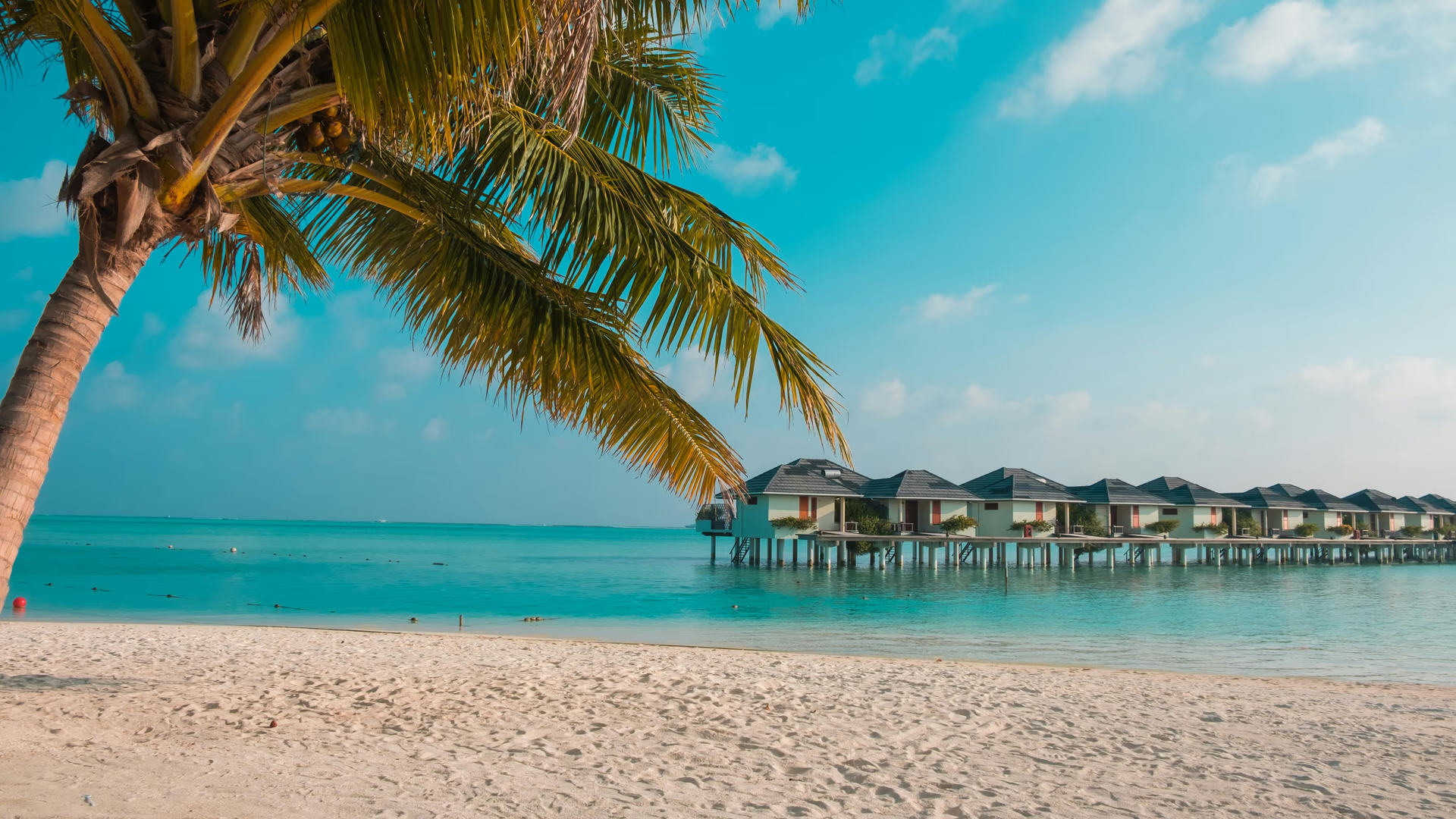

Maldives vs Bali: Which Is Better for a Vacation from the US?
Choosing between Maldives and Bali is not simple if you are flying from the US. Both places offer strong beach experiences, warm weather, and long-haul travel. The difference comes down to cost, activities, travel time, and the type of trip you want.
This guide breaks down the real differences so you can decide based on facts, not hype.
Flight Time and Travel Effort from the US
Both destinations require long travel from the United States. There are no direct flights to either Maldives or Bali from most US cities, so you will connect through hubs like Dubai, Doha, Singapore, or Istanbul.
Maldives usually takes around 20 to 28 hours depending on your route. After landing in Malé, you often need a speedboat or seaplane to reach your resort island.
Bali typically takes 22 to 30 hours total. You land in Denpasar and can reach most hotels by car within 30 minutes to 2 hours.
If you want easier logistics after landing, Bali is simpler. Maldives adds another transport layer after your international flight.
Cost Comparison for US Travelers
Cost is one of the biggest differences between these two destinations.
Maldives is generally more expensive. Most travelers stay in resort islands where prices include accommodation, transfers, and meals. Budget options exist but are limited.
- Mid-range Maldives resort: $300 to $800 per night
- Luxury resorts: $800 to $2000+ per night
- Food and drinks: often expensive due to import costs
Bali offers a wider range of prices. You can find hostels, villas, and luxury hotels in the same area.
- Budget hotels: $20 to $60 per night
- Mid-range villas: $80 to $200 per night
- Luxury resorts: $250 to $600 per night
If budget control matters, Bali gives more flexibility. Maldives is more fixed in structure.
Beaches and Natural Environment
Maldives is known for its clear water and white sand beaches. Most resorts sit on private islands, so beaches feel quiet and exclusive. The water is very calm, making it ideal for swimming and snorkeling.
Bali has more variety in beach types. You will find white sand beaches in places like Nusa Dua and Seminyak, but also black sand beaches in volcanic areas.
Bali’s coastline can be more crowded depending on the area. Some beaches are strong for surfing, while others are better for relaxing.
If your priority is perfect turquoise water and quiet surroundings, Maldives stands out. If you want different beach styles and wave activities, Bali offers more variety.
Experience the serene beauty of Maldives with turquoise waters and white sandy beach under a clear blue sky - Image by Geek Wandering from Pexels
Activities and Things to Do
Maldives focuses heavily on water-based activities. Most experiences are inside or around your resort.
- Snorkeling with reef fish
- Diving with manta rays and sharks
- Sunset cruises
- Private beach dinners
Bali has a much wider range of activities beyond beaches.
- Temple visits like Uluwatu and Tanah Lot
- Rice terrace walks in Ubud
- Waterfalls and jungle hikes
- Beach clubs and nightlife in Seminyak and Canggu
- Surf lessons for beginners
If you prefer a resort-only relaxation trip, Maldives fits well. If you want daily exploration, Bali gives more movement and variety.
Accommodation Experience
Maldives is centered around resorts. Each island is usually one resort, which means privacy and limited outside interaction. Many villas are overwater with direct ocean access.
This setup creates a controlled environment. You do not move between towns or explore cities.
Bali is the opposite. You can move between different areas like Ubud, Seminyak, Uluwatu, and Canggu. Each area has its own style and accommodation range.
You can stay in jungle villas, beachfront hotels, or budget guesthouses. This flexibility is a key advantage for longer trips.
Food and Dining Options
In Maldives, food depends on your resort. Most meals are buffet-style or restaurant-based within the property. Some resorts include all-inclusive packages, which help control costs.
Food variety can be limited since everything is imported to islands.
Bali offers a strong food scene. You can eat local Indonesian dishes, international cuisine, and modern cafes easily.
- Nasi goreng and mie goreng (local dishes)
- Beachfront seafood grills
- Health-focused cafes in Canggu and Ubud
If food variety matters during travel, Bali gives more choices without resort limits.
Best Time to Visit
Maldives has a tropical climate with dry and wet seasons. The dry season is usually preferred for clear skies and calm seas.
Bali also has wet and dry seasons, but rain can be more noticeable in certain months. Even during rainy periods, showers are often short.
Peak travel months in both destinations can increase prices and crowd levels. Planning ahead helps secure better rates and availability.
Who Should Choose Maldives or Bali
If you want a quiet beach-focused escape with minimal movement, Maldives matches that style. It works well for couples, honeymoon trips, or travelers who want a single resort stay.
If you want variety, movement, and lower overall cost, Bali fits better. It works well for solo travelers, groups, and longer stays where exploration matters.
Some travelers also combine both styles by splitting trips between resort relaxation and cultural exploration depending on time available.
Sample Travel Planning Approach for Bali Trips
A common way to structure a Bali trip is to divide it into regions. This helps reduce travel time and gives a mix of experiences.
- Ubud for rice terraces, waterfalls, and inland culture
- Canggu for cafes, surf spots, and beach lifestyle
- Uluwatu for cliffs, ocean views, and quieter beaches
A typical 7-day plan might start in Ubud for nature and inland areas, then move to the coast for beach time and relaxation. Each area has different transport needs and travel times, so planning movement between them is important for efficiency.
Some travelers prefer to stay in one area only to reduce transfers, especially if the trip is short. Others move every 2 to 3 days to experience more variety within a single visit.