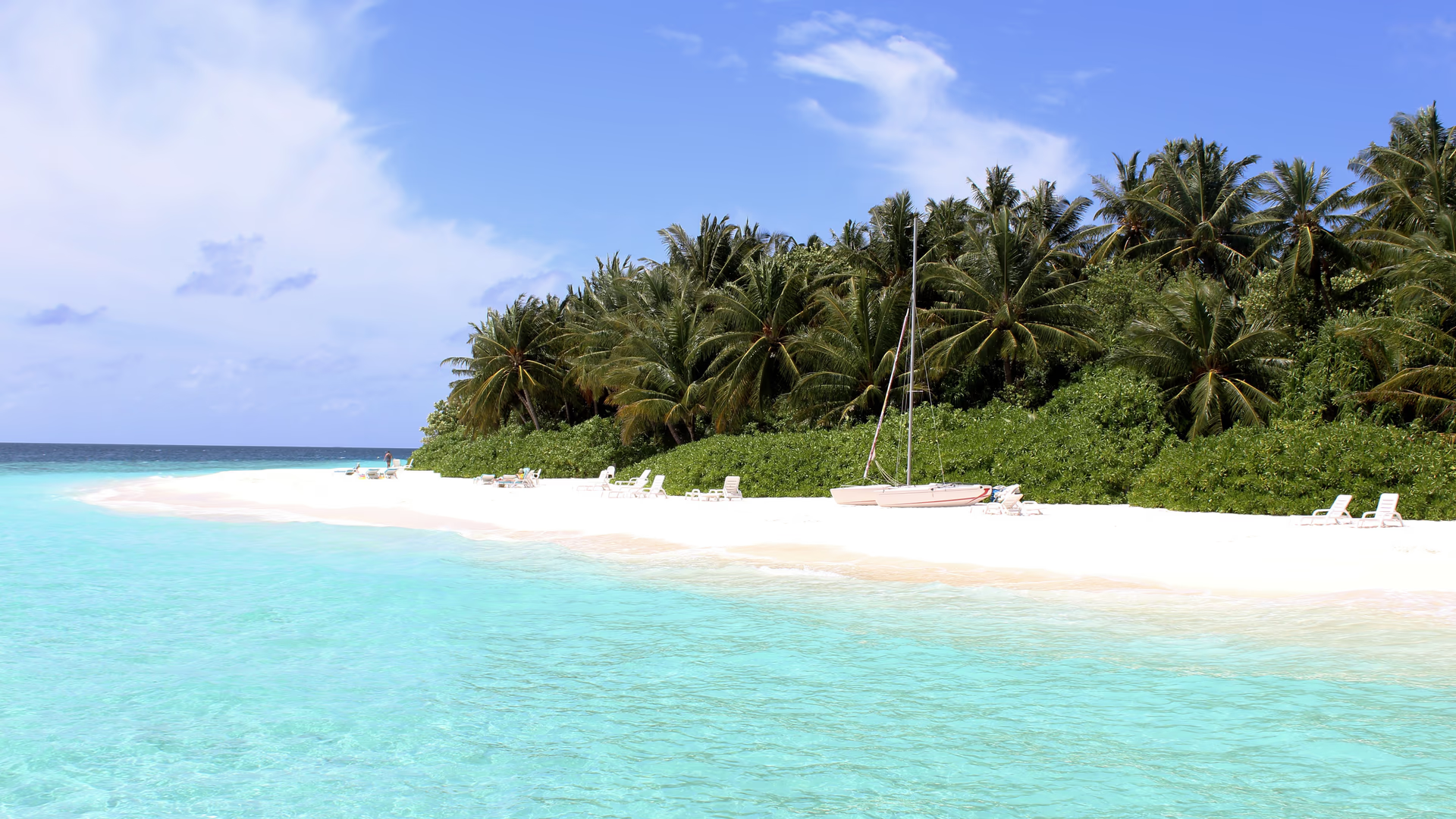

Maldives Travel Guide 2026: Is It Safe, How Much It Costs, Rules, Best Time to Visit & Everything You Need to Know
Introduction to Traveling the Maldives in 2026
The Maldives is one of the most visited island destinations in the world. In 2026, travel demand is still strong because of clear water, private resorts, and easy visa entry for most countries. The country is made up of hundreds of islands, but only a small number are used for tourism and local living.
You will notice two very different travel styles here. One is luxury resort travel on private islands. The other is budget travel on local islands where guesthouses are available. Both options are safe and common in 2026.
Is the Maldives Safe in 2026?
The Maldives is generally safe for tourists. Crime rates are low, especially on resort islands where security is strict. Most visitors do not face any safety issues during their stay.
On local islands, the environment is also calm, but basic travel awareness still applies. You should take care of personal belongings, respect local customs, and avoid restricted areas.
Key safety points
- Resort islands are highly secure with private staff and controlled entry
- Local islands are safe but require respect for cultural norms
- Swimming safety is important due to strong currents in some areas
- Medical facilities are limited outside Male city
Water activities are the main attraction, so following safety instructions from guides is important, especially for snorkeling and diving.
How Much a Maldives Trip Costs in 2026
Costs vary a lot depending on your travel style. The Maldives is not a single-budget destination. It can be expensive or moderately affordable based on where you stay.
Budget travel (local islands)
- Guesthouse: 50 to 120 USD per night
- Food: 10 to 25 USD per day
- Transport: 20 to 80 USD per trip between islands
A budget traveler can spend around 100 to 180 USD per day if planned well.
Mid-range travel
- 3 to 4 star hotels: 150 to 400 USD per night
- Meals: 30 to 80 USD per day
- Speedboat transfers: 50 to 150 USD
Luxury resorts
- Resort villas: 500 to 2000+ USD per night
- Private seaplane transfers: 200 to 600 USD
- Fine dining: often included or 100+ USD per meal
Flights are usually the biggest extra cost. International flights to Malé can range from 400 to 1200 USD depending on the season and departure country.
Entry Rules and Travel Requirements
The Maldives offers a visa on arrival for most nationalities. This makes entry simple for tourists.
Basic requirements
- Valid passport with at least 6 months validity
- Confirmed hotel booking
- Return flight ticket
- Sufficient travel funds for stay
Tourist visa is usually granted for 30 days on arrival. Extensions are possible in some cases through immigration.
Alcohol rules are strict. Alcohol is not allowed on local islands, but it is available inside resorts.
Best Time to Visit the Maldives in 2026
The Maldives has two main seasons: dry season and wet season. Weather affects visibility, sea conditions, and pricing.
Dry season (best travel time)
- November to April
- Calm seas and clear water
- Best for snorkeling and diving
- Higher hotel prices
Wet season
- May to October
- More rain and wind
- Lower hotel prices
- Fewer tourists
Even during the wet season, rain often comes in short bursts. You still get sunny hours during the day.
Where to Stay: Resorts vs Local Islands
Your choice of accommodation changes the entire experience.
Resorts
- Private island experience
- Direct beach access from villas
- High privacy and comfort
- Higher price range
Local islands
- Budget-friendly guesthouses
- Interaction with local culture
- Public beaches with rules
- Ferry or speedboat access
Popular local islands include Maafushi and Thulusdhoo, known for tourism services and water sports.
Transport Between Islands
The Maldives is spread across the ocean, so transport is a key part of travel planning.
Common transport options
- Speedboats for medium distance travel
- Public ferries for budget travel
- Seaplanes for luxury resort transfers
Speedboats are the most common choice for tourists staying on local islands. Seaplanes are faster but expensive.
Local Rules and Cultural Guidelines
The Maldives is a Muslim country, so local rules are important to follow, especially on inhabited islands.
Important rules
- No alcohol on public islands
- Modest clothing required in local areas
- Respect prayer times and religious practices
- Public behavior should remain respectful
Swimwear is allowed on designated tourist beaches called "bikini beaches" on local islands.
Food, SIM Cards, and Daily Life
Food options vary depending on where you stay. Resorts offer international menus, while local islands serve Maldivian dishes like rice, tuna, and coconut-based meals.
SIM cards are easy to buy at the airport. Mobile data is widely available and stable in populated islands.
Useful travel items
- Sun protection: sunscreen and hat
- Light clothing for humid weather
- Water shoes for coral areas
- Reusable water bottle
Most islands rely on small shops, so it is better to carry essentials from Malé if needed.
Common Travel Mistakes to Avoid
Many visitors make simple mistakes that affect their trip experience.
- Booking transfers too late and missing boats
- Not checking weather before water activities
- Ignoring local island dress rules
- Underestimating transport times between islands
Planning transport and accommodation together avoids delays and extra costs during travel days.
Sample Travel Flow for First-Time Visitors
A simple travel plan helps you understand how most trips are structured in the Maldives.
- Arrive in Malé and transfer to your island
- Spend 3 to 4 days on a local island or resort
- Enjoy snorkeling, diving, or sandbank trips
- Move to another island if time allows
- Return to Malé for departure
Short trips usually focus on one or two islands only, while longer trips allow island hopping experiences.