
A First-Time Traveler’s Guide to Iceland’s Hidden Beauty and Secret Spots
What Makes Iceland Special for First-Time Travelers
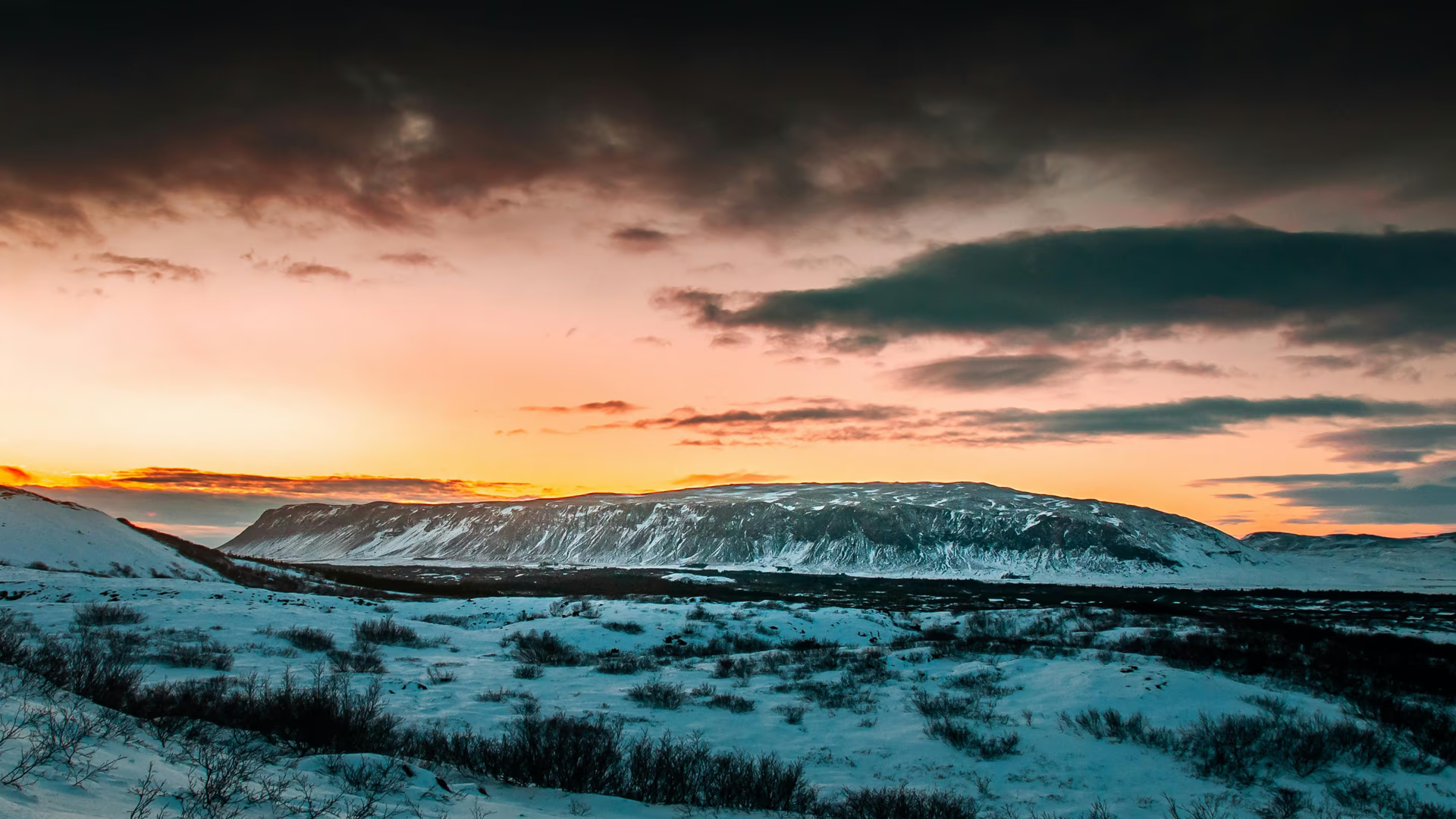
Iceland is not a typical travel destination. You do not just visit cities or beaches. You travel through volcanic land, glaciers, black sand coastlines, and natural hot springs.
If this is your first visit, you will notice how quickly the landscape changes. One hour you are near a waterfall, and the next hour you are driving across a lava field.
Most travelers focus on popular spots, but Iceland has many hidden places that offer quieter and more personal experiences.
These areas give you:
- Less crowded nature views
- Better photography opportunities
- More time to explore without rush
- Stronger connection with natural surroundings
Hidden Waterfalls Worth Visiting
Iceland is full of waterfalls, but many tourists only visit the famous ones. If you go a little off-route, you can find quieter locations with equally powerful views.
Some lesser-known waterfalls include:
- Gljúfrabúi – hidden behind a rock canyon near Seljalandsfoss
- Háifoss – one of the tallest waterfalls in Iceland with fewer crowds
- Faxi Waterfall – calm and wide, often missed by tourists
Example: At Gljúfrabúi, you need to walk through a narrow opening in the rock to see the full waterfall. Many visitors skip it because they do not know it exists.
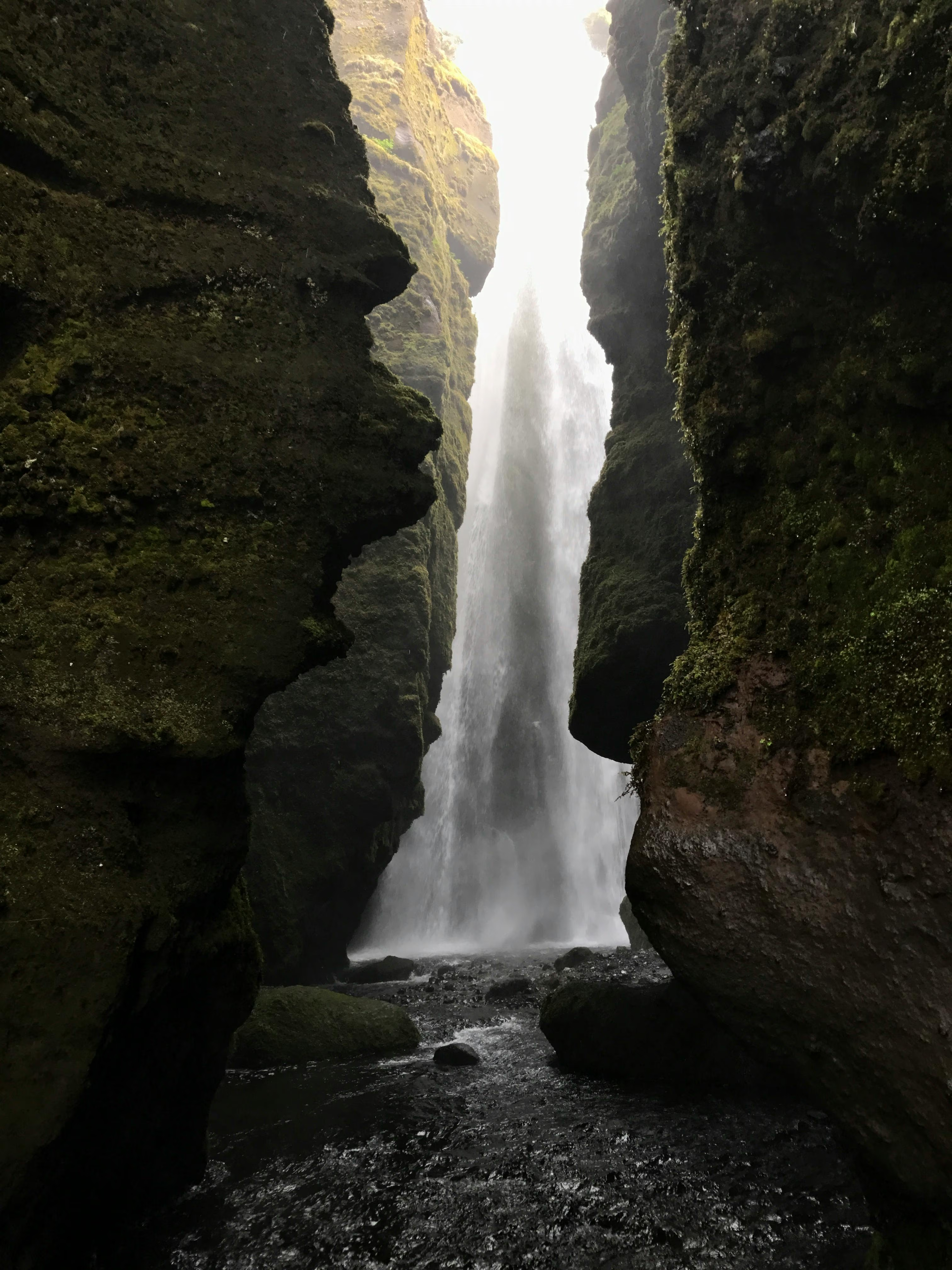
Discover the pristine beauty of a hidden Icelandic waterfall surrounded by moss-covered rocks - Image by ArtHouse Studio from Pexels
Secret Hot Springs and Natural Pools
Iceland is known for geothermal activity. While the Blue Lagoon is popular, there are many natural hot springs that are less crowded.
These hidden spots offer a more natural experience.
Examples include:
- Secret Lagoon in Flúðir
- Reykjadalur hot river valley
- Small geothermal pools in remote countryside areas
Reykjadalur is a good example. You need to hike to reach the warm river, but the experience feels more natural compared to commercial spa locations.
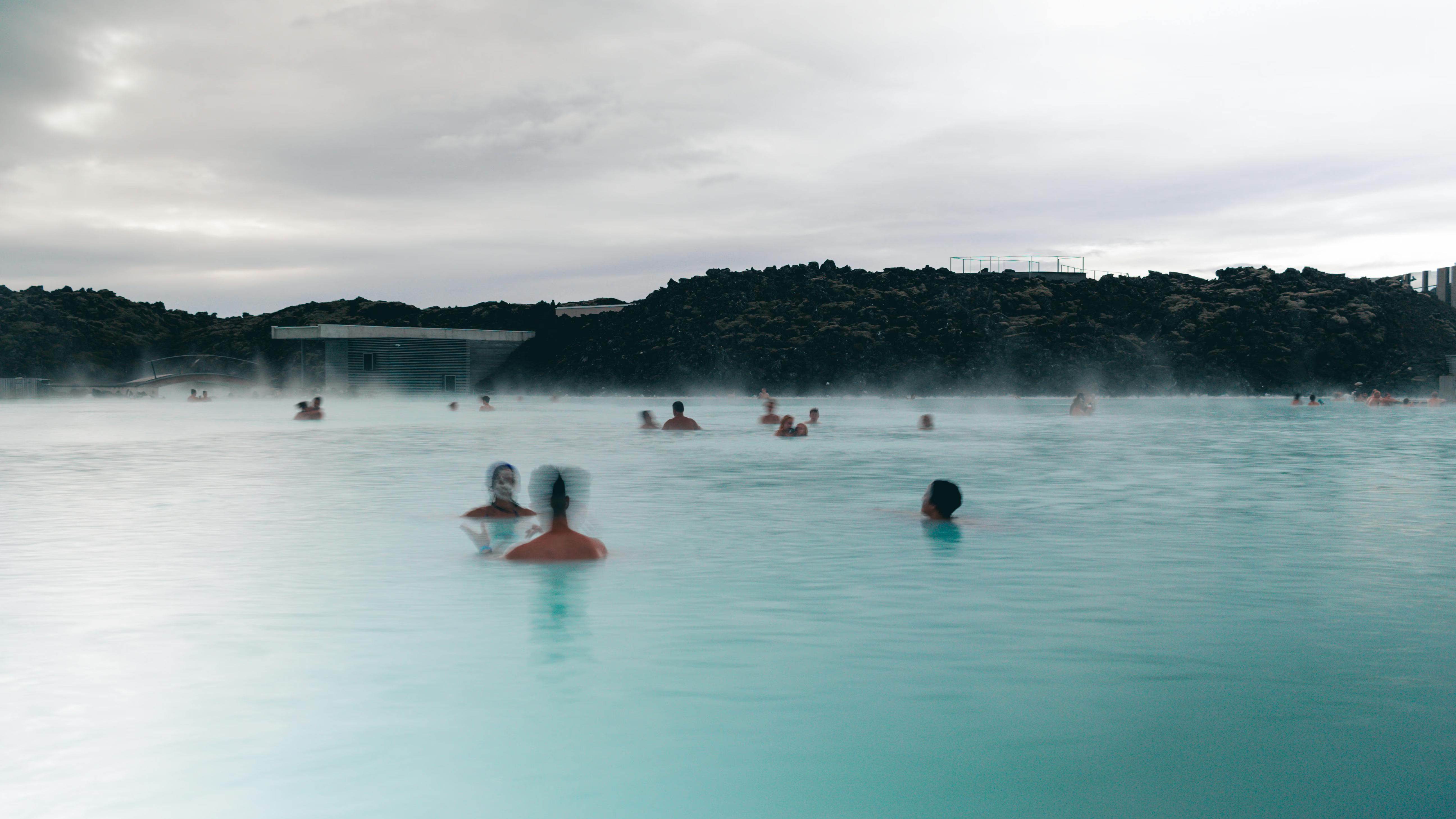
People enjoying relaxation and recreation in Iceland's soothing Blue Lagoon geothermal spa - Image by It's MJ! from Pexels
Black Sand Beaches Beyond Reynisfjara
Reynisfjara is famous, but it can get crowded. If you want similar scenery with fewer people, there are alternative beaches.
Hidden or less busy black sand beaches include:
- Stokksnes Peninsula
- Djúpavík coastal area
- Vík outskirts beaches away from main tourist zones
At Stokksnes, you see mountains rising directly from black sand. The contrast between ocean, sand, and peaks creates strong visual scenes for photography.
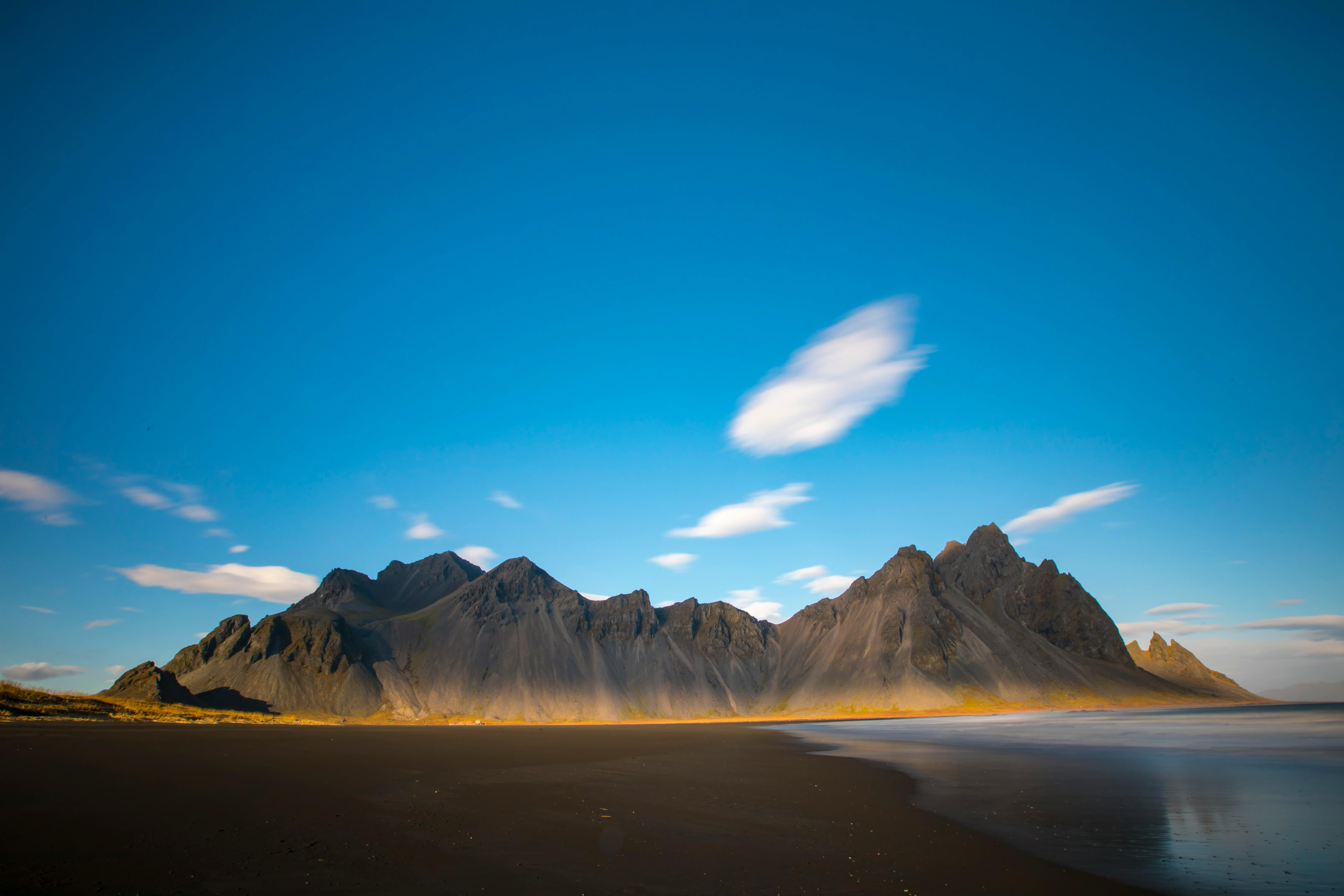
Majestic view of Vestrahorn Mountain with black sand beach under a bright blue sky - Image by Stephen Leonardi from Pexels
Quiet Towns and Cultural Spots
Most first-time travelers stay in Reykjavík, but smaller towns give you a better view of Icelandic daily life.
Examples of quiet towns include:
- Húsavík – known for whale watching and peaceful streets
- Seyðisfjörður – colorful houses and artistic culture
- Stykkishólmur – coastal town with calm harbor views
In Seyðisfjörður, you will find art installations, wooden houses, and a slower lifestyle compared to the capital city.
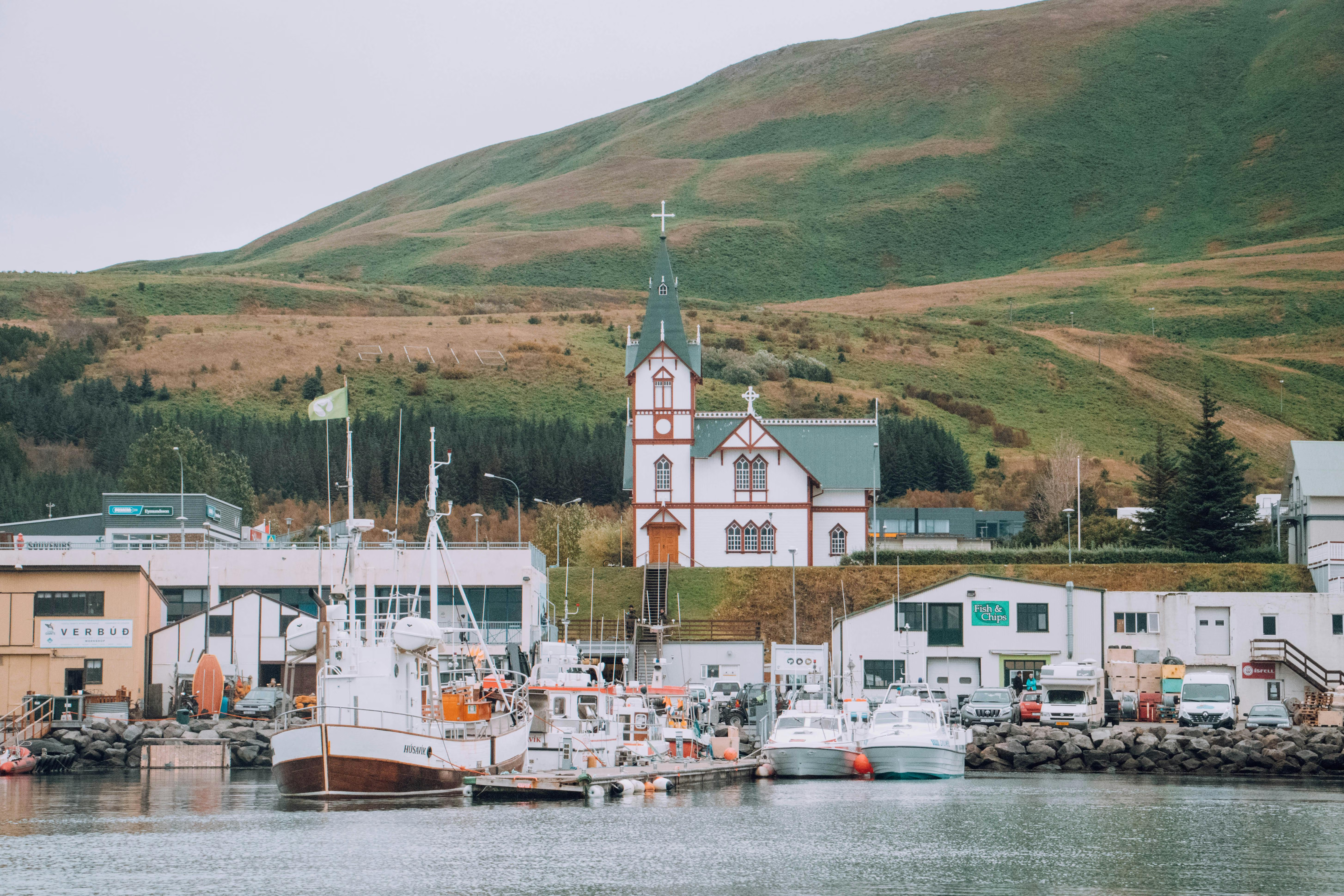
Charming harbor scene with classic church and boats in Húsavík, Iceland - Image by Joan Costa from Pexels
Driving Through Hidden Routes
Iceland’s Ring Road is popular, but side routes often lead to less visited locations. If you drive beyond main highways, you will find untouched nature.
Useful driving tips:
- Check weather before long drives
- Keep fuel tank above half in remote areas
- Use offline maps in case of signal loss
- Take breaks to explore small roadside stops
Example: Many travelers miss small viewpoints just because they stick only to main tourist routes.
Hidden Lava Fields and Volcano Landscapes
Iceland’s volcanic terrain is one of its strongest features. Some areas are open and well-known, but others are less visited and feel untouched.
Locations worth exploring include:
- Lava fields near Mývatn
- Reykjanes Peninsula volcanic zones
- Older lava formations outside main tour routes
These areas show how recent volcanic activity has shaped the land. Walking through them gives you a clear view of raw geological formations.
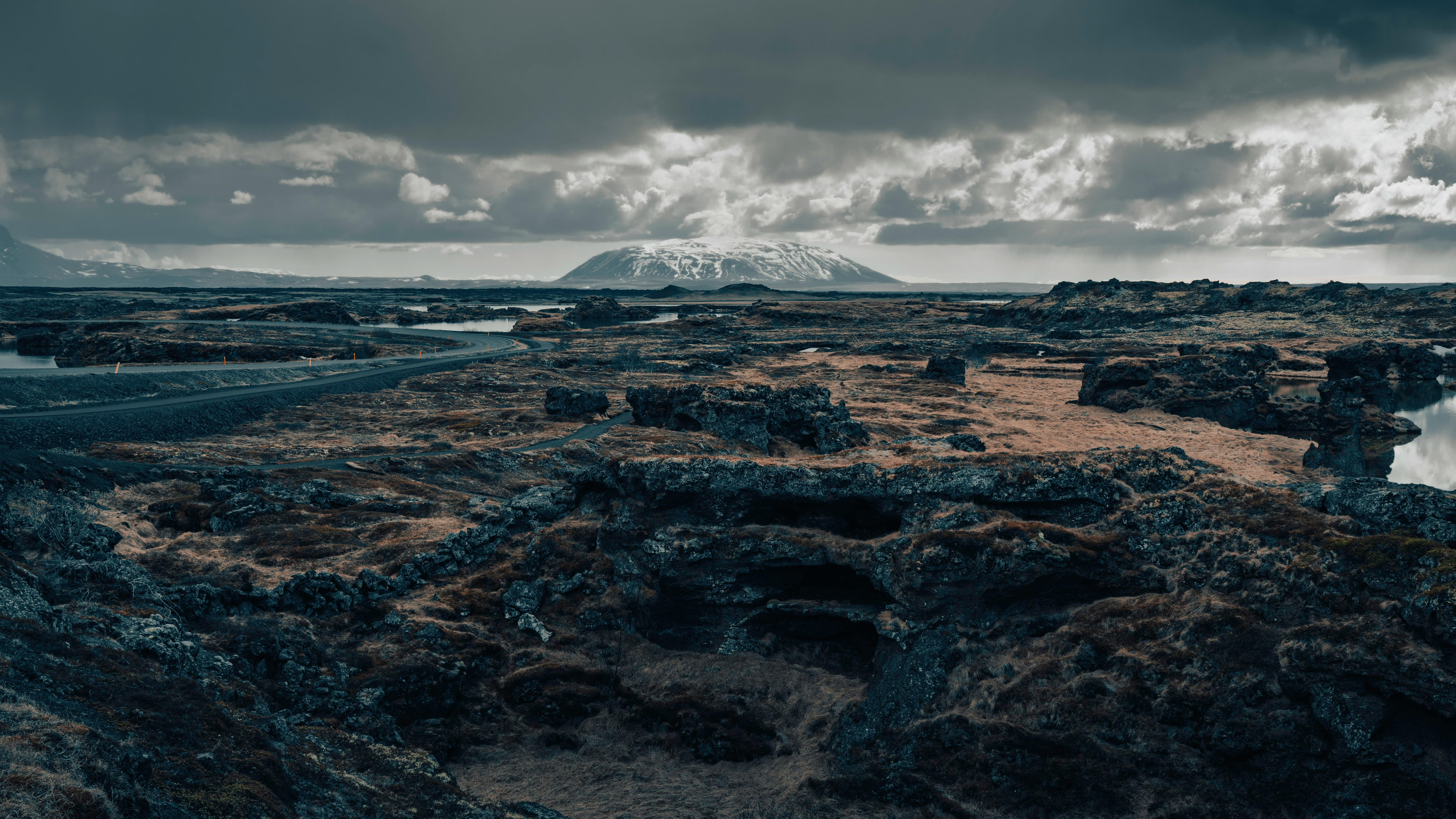
Explore Iceland's stunning volcanic terrain and distant mountains under moody skies - Images by Raul Ling from Pexels
Best Time to Explore Hidden Locations
The time of year affects your travel experience in Iceland. Weather changes quickly, and daylight hours vary a lot.
Seasonal differences:
- Summer: easier travel, long daylight, better road access
- Winter: fewer tourists, snow-covered landscapes, limited access in some areas
If you want to explore hidden areas, summer is more practical for driving and hiking.
Photography Tips for Remote Iceland Spots
Hidden locations in Iceland are perfect for photography. Light conditions and natural contrast make every scene unique.
Practical tips:
- Use wide-angle shots for landscapes
- Shoot during early morning or late evening light
- Carry waterproof gear for sudden weather changes
- Keep battery backup for cold conditions
Example: In areas like Stokksnes or remote waterfalls, lighting changes fast, so you need to be ready to capture moments quickly.
Food and Local Experience in Small Areas
Outside major cities, food options are simpler but more authentic. Small towns often serve traditional Icelandic meals using local ingredients.
You may find:
- Fresh seafood from nearby waters
- Lamb-based dishes in rural restaurants
- Simple baked goods in small bakeries
In smaller towns, dining is more about local culture than restaurant variety.
Staying Safe While Exploring Hidden Areas
Iceland’s nature is beautiful but unpredictable. Safety is important when visiting remote places.
Basic safety steps:
- Check weather alerts before traveling
- Stay on marked paths near cliffs or lava fields
- Inform someone before long hikes
- Carry warm and waterproof clothing
Even short weather changes can affect visibility and road conditions in rural areas.