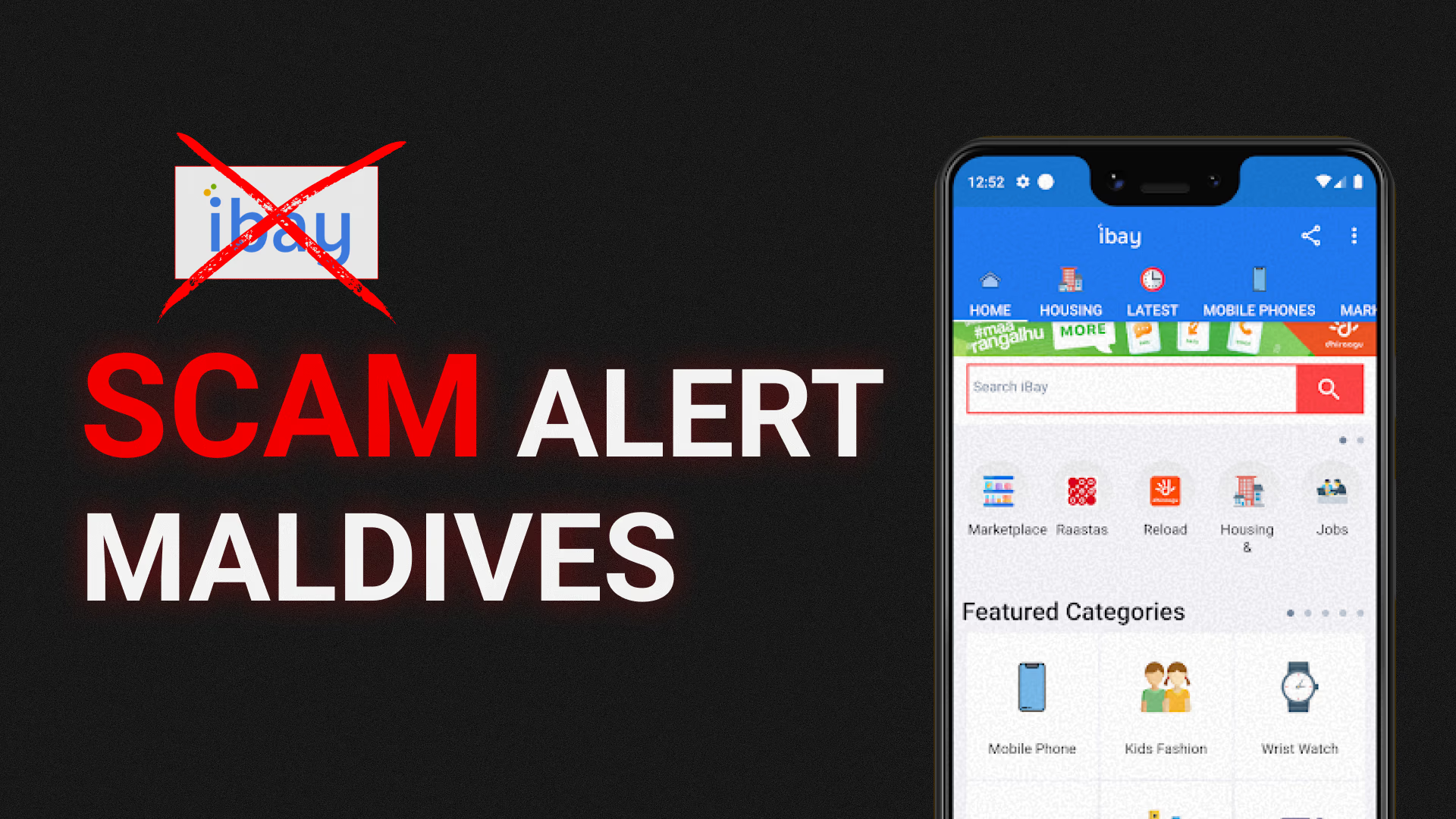

iBay Scam Problem, Is It Still the Same Platform
Scam cases linked to iBay have increased in recent reports across Maldives. Most cases involve fake sellers, upfront payment traps, and fake delivery claims. The platform still works, but risk levels are higher when you deal with unknown sellers.Scam activity is increasing on online marketplaces
Online scam cases in Maldives have been rising across different platforms, including classified websites and social apps. Police recorded hundreds of fraud reports in recent periods, with major losses coming from online buying and selling activity.
Recent data shows:
- Nearly 198 scam cases reported in a single month period
- About MVR 1.68 million lost in reported incidents
- Most cases linked to e-commerce and online transactions
Authorities noted that many scams happen through platforms where users trade directly with strangers without payment protection systems.
How scams happen on iBay
Most scams follow a simple pattern. The seller creates a fake listing and uses low prices to attract buyers. Once contact starts, the scam moves fast.
Common patterns include:
- Asking for advance payment before delivery
- Claiming urgent delivery fees or deposits
- Sending fake courier or delivery contacts
- Disappearing after receiving money
In many cases, expensive items like phones, cameras, and gaming devices are used because they attract fast decisions from buyers.
Why scams are increasing
Several factors are driving the rise in scam activity on platforms like iBay.
- High demand for cheap second-hand electronics
- Easy account creation with limited identity checks
- No built-in payment protection between users
- People trusting screenshots, chats, and low prices
Police reports show that most fraud cases involve social engineering, where victims are guided into making payments voluntarily.
Real examples reported by users
Users have reported cases where sellers listed high-value items at very low prices, then requested partial payments for delivery. After payment, communication stopped or excuses were given.
Typical cases include:
- Electronics listed far below market price
- Requests for MVR 1,000 to MVR 3,000 “delivery fees”
- Fake delivery drivers contacting buyers separately
In many situations, the buyer never receives the item after sending money.
What makes iBay different from protected marketplaces
iBay works as a direct listing platform. That means buyers and sellers deal directly without an escrow system or payment hold.
This creates risk factors such as:
- No guaranteed refund system
- No verified transaction process
- No enforcement on fake listings before posting
Because of this structure, users must verify everything themselves before paying.
Common warning signs you should notice
Many scams show similar warning patterns before money is taken.
- Price is far lower than normal market value
- Seller refuses face-to-face meeting
- Urgency pressure like “buy now or lose it”
- Requests for advance payment or deposit
These signals often appear before the scam attempt escalates to payment requests.
How users try to protect themselves
People who avoid losses usually follow strict rules before buying.
- Meeting seller in person before payment
- Checking item condition directly
- Avoiding any upfront payment for delivery
- Using trusted local shops for expensive items
Some buyers also cross-check seller numbers and past listings before continuing a deal.
Impact on trust in online marketplaces
As scam reports increase, users become more careful with online listings. This changes how people use classified platforms, especially for high-value items like electronics and gadgets.
More users now prefer in-person verification or established retailers for safer transactions.