
Best AI Tools Small Business Owners Should Use in 2026
Small businesses in 2026 are using AI to handle tasks that used to take hours or even full-time staff. You don’t need advanced technical skills. Most of these tools work with simple inputs like text, voice, or drag-and-drop actions.
The key is not using many tools. It is choosing the right ones for marketing, customer management, automation, design, and daily operations.
1. AI for Writing, Ideas, and Business Planning
Every small business needs content. That includes emails, ads, product descriptions, and social media posts. AI writing tools now handle most of this work in seconds.
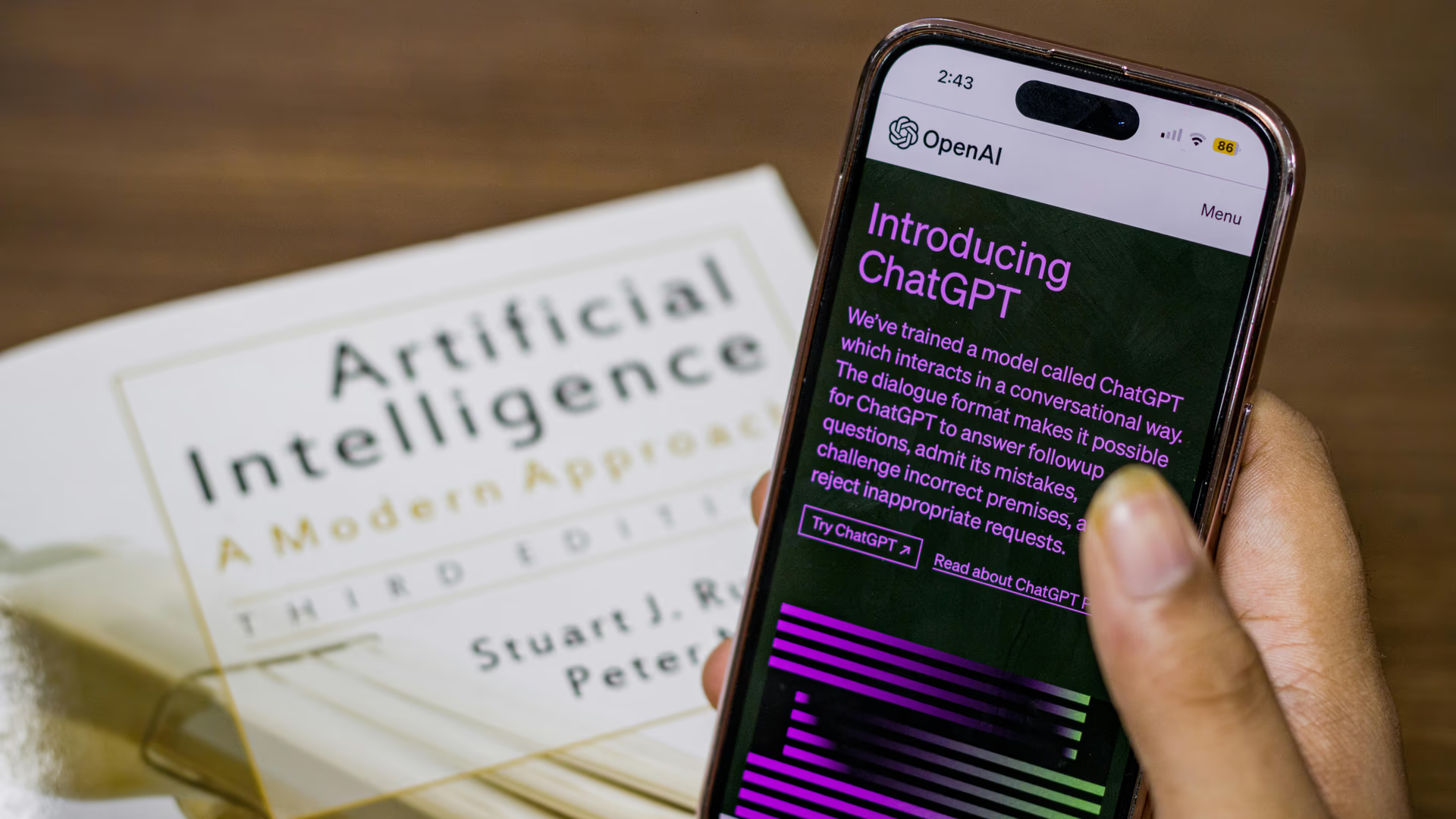
ChatGPT
This is the most used AI assistant for small businesses. It helps you write, plan, and organize tasks.
- Write emails to customers
- Create social media posts
- Generate business ideas
- Summarize documents
- Build SOPs and checklists
Many small businesses use ChatGPT as a daily assistant for writing and planning tasks across marketing and operations.
Claude
Claude is useful when you need longer, more structured writing or analysis. It handles large documents well.
- Analyze reports
- Summarize long notes
- Rewrite business documents
2. AI for Marketing and Content Creation
Marketing is where small businesses waste the most time. AI tools now generate ads, visuals, and campaigns quickly.
Canva AI
Canva now includes AI tools for design and content creation. You can create posts without design skills.
- Social media graphics
- Posters and flyers
- Ad creatives
- Brand kits
Jasper AI
Jasper is focused on marketing content at scale.
- Ad copy
- Blog articles
- Email campaigns
- SEO content drafts
Small businesses use Jasper when they need consistent marketing output without hiring copywriters.
3. AI for Customer Management (CRM)
Managing leads and customers is one of the most important parts of a business. AI CRMs help track everything automatically.
HubSpot AI CRM
HubSpot is widely used because it combines CRM, marketing, and sales in one system.
- Track customer interactions
- Automate follow-up emails
- Score leads based on behavior
- Manage pipelines
AI-powered CRM systems help small businesses reduce manual tracking and improve follow-up consistency with customers.
4. AI Automation Tools (Save Hours Every Week)
Automation tools connect apps together so tasks happen automatically without manual work.
Zapier AI
Zapier connects apps like Gmail, Sheets, CRMs, and forms.
- Send emails automatically when a form is submitted
- Update CRM entries without manual input
- Move data between systems
Make (Integromat)
Make is used for more advanced workflows.
- Multi-step automation flows
- AI-powered lead qualification
- Automated customer replies
5. AI for Customer Support
Customer service can be handled partly or fully by AI chat systems.
Tidio AI
Tidio is used on websites to answer customer questions instantly.
- 24/7 chatbot support
- Answer FAQs automatically
- Capture leads from website visitors
Intercom AI
Intercom is used for more advanced customer support systems in growing businesses.
- AI chatbot responses
- Ticket handling
- Customer messaging automation
6. AI for Finance and Accounting
Finance tasks like bookkeeping and reporting are now partially automated using AI.
QuickBooks AI
- Auto-categorize expenses
- Generate financial reports
- Track cash flow
Xero AI
- Invoice automation
- Bank reconciliation
- Financial insights
7. AI for Meetings and Productivity
Small teams often lose time in meetings and notes. AI tools now solve this problem.
Otter.ai
- Auto meeting transcription
- Summarize conversations
- Generate action points
Notion AI
- Organize business notes
- Create documents and plans
- Build internal knowledge base
8. AI for Video and Social Media
Video content is now required for marketing, and AI makes it faster to produce.
CapCut AI
- Auto-edit videos
- Remove background noise
- Generate captions
Descript
- Edit video by editing text
- Remove filler words
- Create voiceovers
Many small businesses now produce short-form content daily using these tools instead of hiring editors.
How Small Businesses Should Choose AI Tools
You don’t need everything. Most small businesses work best with a simple setup:
- 1 writing AI (ChatGPT or Claude)
- 1 design tool (Canva)
- 1 CRM (HubSpot)
- 1 automation tool (Zapier or Make)
- 1 support tool (Tidio or Intercom)
The goal is to reduce repetitive work, not add complexity. Start small, connect tools slowly, and focus on the tasks that take the most time in your business.