
Pati Patni Aur Woh Do (2026): Full Movie Breakdown, Cast, Story and Production Details
Overview of the Film
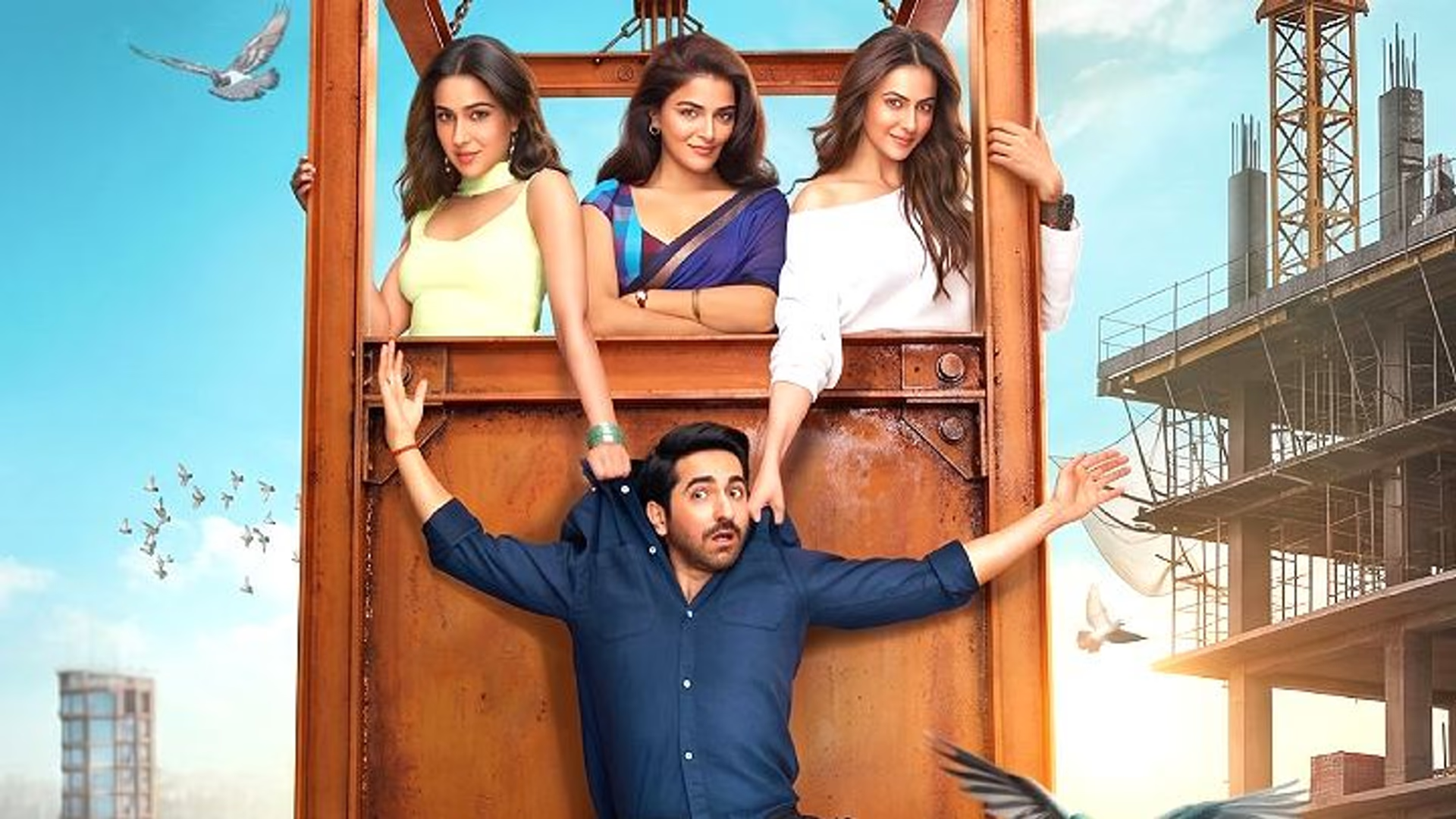
Pati Patni Aur Woh Do is an upcoming Hindi-language romantic comedy that expands one of Bollywood’s most familiar story styles. The film takes the idea of relationships, misunderstandings, and hidden truths and pushes it into a more chaotic and exaggerated situation.
The movie is directed by Mudassar Aziz and produced under major Bollywood banners including T-Series and B.R. Studios. It continues the legacy of the earlier franchise while introducing a modern setting, updated humor, and a larger emotional mess involving multiple characters.
The story is set in Prayagraj and focuses on confusion, identity mix-ups, and romantic complications that build into comedic situations. The tone stays light, but the situation becomes increasingly complicated as the story progresses.
Main Cast and Characters
The film brings together a strong ensemble cast with established stars and rising performers. The central character is played by Ayushmann Khurrana, who plays Prajapati Pandey, a man caught in an unexpected romantic situation involving multiple women.
Alongside him, the female leads include:
- Sara Ali Khan as one of the central female characters involved in the relationship confusion
- Wamiqa Gabbi playing a key role that adds emotional depth and unpredictability
- Rakul Preet Singh contributing to the comedic and romantic tension
Supporting roles are handled by experienced actors:
- Vijay Raaz as a chaotic police officer who becomes part of the confusion
- Tigmanshu Dhulia in a strong supporting character role adding intensity and humor
Each character plays a part in building the layered misunderstanding that drives the story forward.
Story Setup and Core Conflict
The film builds its story around Prajapati Pandey, a man who appears to be living a normal married life at first. As the teaser reveals, things quickly spiral when multiple relationships begin overlapping.
The central idea is not just a simple love triangle. Instead, the film introduces a “triple confusion” structure where the main character is connected to three women in different emotional and romantic contexts.
The story focuses on:
- Miscommunication between characters
- Hidden relationships and secret identities
- Situations where truth becomes harder to manage
- Comedic consequences of poor decisions
As events unfold, small misunderstandings turn into larger conflicts, creating a chain reaction of comedic chaos.
Teaser Highlights and Tone
The teaser of Pati Patni Aur Woh Do shows a fast-paced comedic tone. Scenes are designed to highlight confusion, quick dialogue exchanges, and unexpected reactions.
The film avoids slow storytelling and instead focuses on rapid situations where characters react impulsively. This creates humor through timing and misinterpretation rather than long dramatic buildup.
Some key teaser elements include:
- Fast cuts between different relationship situations
- Overlapping conversations that lead to confusion
- Physical comedy mixed with dialogue-based humor
- Situational irony where characters misunderstand each other constantly
The tone remains light but chaotic, focusing on entertainment rather than seriousness.
Franchise Background
The title connects to a long-running Bollywood concept that has evolved over decades.
The original inspiration comes from the classic film:
- Pati Patni Aur Woh (1978) directed by B.R. Chopra, known for its satirical take on relationships
Later, the concept was rebooted in:
- Pati Patni Aur Woh (2019) directed by Mudassar Aziz, modernizing the story for a new audience
Now, the 2026 version expands the idea further by increasing the complexity of relationships. Instead of one wife and one “other woman,” the story now involves multiple overlapping romantic connections.
This expansion is why the film uses the title “Do,” indicating a bigger and more complicated version of the original idea.
Direction and Production Team
The film is directed by Mudassar Aziz, who is known for handling romantic comedies with ensemble casts. His approach often focuses on timing, misunderstandings, and situational humor.
The production is backed by:
- T-Series
- B.R. Studios
- Bhushan Kumar
- Renu Ravi Chopra
- Krishan Kumar
- Juno Chopra
This combination of production houses ensures a wide theatrical release and strong promotional push across India.
Release Date and Marketing Activity
The movie is scheduled for theatrical release on 15 May 2026. Promotional activities have already started with teaser drops and public events in Mumbai.
The marketing strategy includes:
- Trailer launch events with full cast attendance
- Social media promotional clips
- Behind-the-scenes interviews
- Viral moments from press events
During one promotional event, small unscripted moments between cast members gained attention online, increasing early buzz for the film.
Cast Chemistry and On-Set Energy
The interactions between the cast play a major role in shaping audience interest. The teaser and promotional clips show a natural balance between comedy and emotional reactions.
Ayushmann Khurrana’s character acts as the center of confusion, while the female leads each represent different emotional directions in the story. This creates shifting dynamics between characters.
The supporting cast adds structure to the chaos, especially in scenes involving authority figures and misunderstandings that escalate quickly.
Setting and Visual Style
The film is set in Prayagraj, which gives it a grounded urban backdrop mixed with traditional Indian city life. Street scenes, crowded areas, and home environments are used to build realistic situations.
The visual style focuses on:
- Bright, everyday locations
- Simple but expressive framing
- Fast movement between scenes
- Clear focus on character reactions
This helps keep attention on the performances and dialogue rather than heavy visual effects.
Comedy Structure and Writing Style
The humor in the film is built through timing and misunderstanding. Instead of relying on exaggerated jokes, the story uses everyday situations that spiral out of control.
Common comedy elements include:
- Misheard conversations
- Incorrect assumptions between characters
- Situations where truth arrives at the wrong moment
- Multiple characters reacting differently to the same event
This structure keeps the story moving quickly and maintains a consistent comedic rhythm throughout the narrative flow.