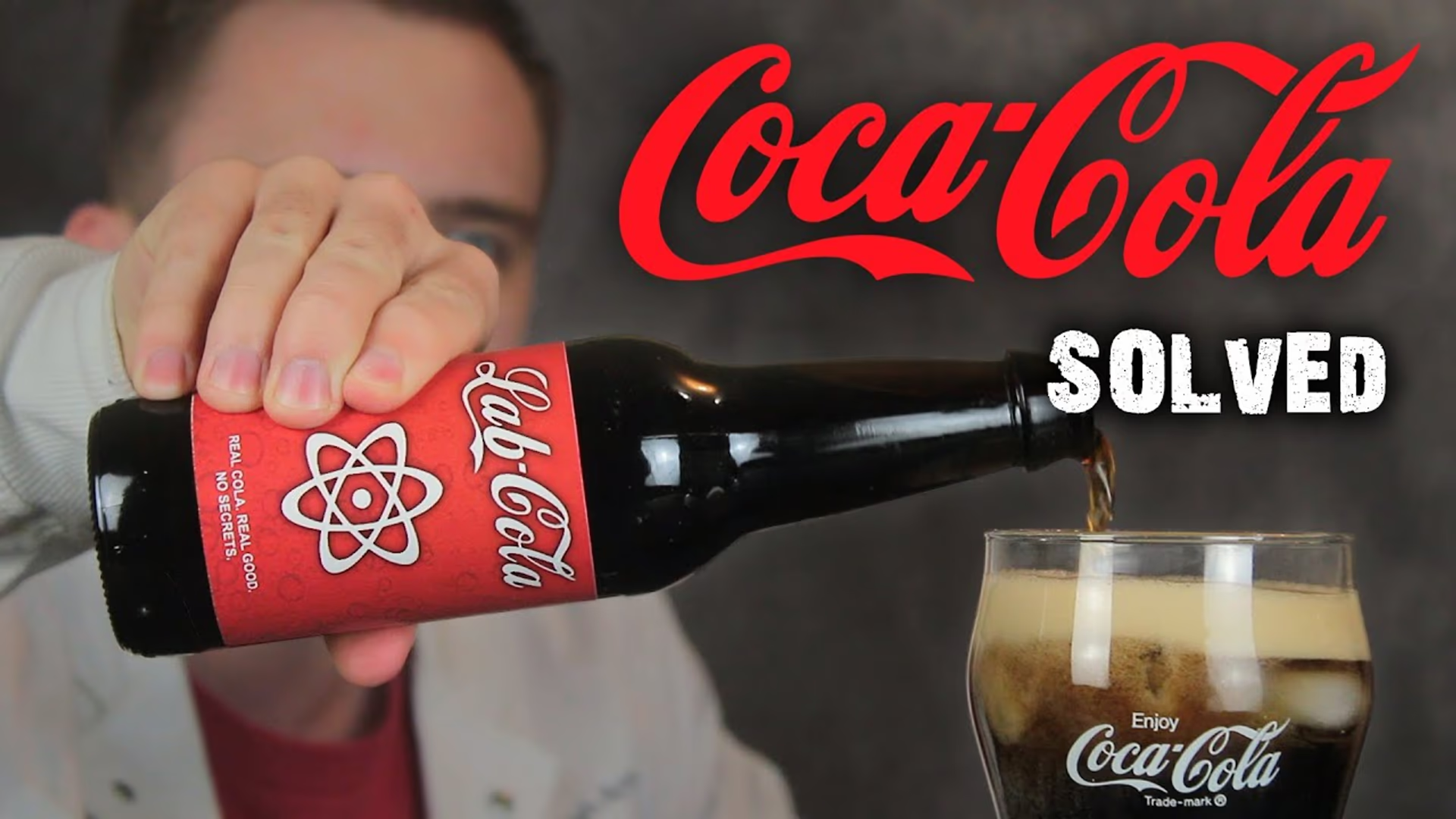

What’s Really in Coca-Cola? Inside a YouTuber’s Year-Long Lab Experiment and Clone Recipe Explained
Coca-Cola is one of the most recognized drinks in the world. The formula is tightly guarded, and only a small number of people know the full recipe. That mystery is exactly what pushed one science YouTuber to try something unusual. Instead of guessing ingredients, he spent a full year breaking the drink down in a lab.
The goal was simple. Find out what actually creates the taste of Coca-Cola and rebuild it from scratch using real chemical data. The process used lab tools, chemical analysis, and repeated testing until a near-identical version was achieved.
Breaking Down Coca-Cola in a Laboratory
The first step was chemical fingerprinting. Samples of Coca-Cola were analyzed using mass spectrometry. This tool separates compounds inside a liquid and identifies them based on molecular structure.
The results showed a complex mix of flavor compounds instead of a simple list of ingredients. Some of the strongest markers included citrus-based chemicals like limonene and alpha-terpineol. These compounds are commonly found in lemon, lime, and orange oils.
Spice-related compounds were also detected. These included cinnamaldehyde from cinnamon and sabinene from nutmeg. This confirmed that Coca-Cola’s flavor is built from multiple spice layers, not just sugar and caramel.
Another group of compounds pointed to caramelization products like furfural. These are created when sugars are heated, which explains the dark color and slightly burnt sweetness.
What the Chemical Data Revealed
Instead of a single “secret ingredient,” the drink is built from many overlapping flavor signals. The lab data showed:
- Citrus oils forming the top flavor notes
- Spice compounds adding depth and warmth
- Caramel compounds creating the base sweetness
- Acidic compounds balancing the sweetness
This combination creates the signature Coca-Cola taste that is hard to describe but easy to recognize.
Removing Common Myths About the Recipe
Before the lab work, many people had theories about what gives Coca-Cola its flavor. Some suggested floral oils like lavender or neroli. Others believed clove oil or rare spices were responsible.
However, chemical analysis did not support these claims. The YouTuber checked for enantiomers, which are mirror-image versions of molecules. This helped identify not just what was present, but also what was absent.
Lavender and clove compounds did not match the real profile of Coca-Cola. This allowed him to eliminate several popular theories and focus only on ingredients that actually appeared in the data.
The Unexpected Role of Acids
One surprising discovery was the presence of acetic acid in small amounts. This is the same acid found in vinegar.
It is not used in a strong way. Instead, it appears in a controlled quantity that helps adjust sharpness in the flavor profile. Combined with phosphoric acid, it creates a layered sour effect that balances the sweetness of sugar.
This balance between sweet and acidic elements is one of the reasons Coca-Cola feels refreshing instead of overly sugary.
The Coca Leaf Problem and the “Green Note”
One of the most difficult parts of the experiment involved the coca leaf extract used in original Coca-Cola production. The legal extract is decocainized and heavily controlled, making it difficult for independent replication.
The YouTuber identified a missing flavor element often described as a “green” or fresh note. This was believed to come from the coca leaf extract.
To recreate this without using restricted materials, tea tree oil was tested as a substitute. It provided a similar sharp herbal tone that helped fill the gap in the flavor structure.
Why Tannins Matter
Even after adding the correct oils, the drink still did not feel complete. It tasted too sweet and lacked dryness.
The breakthrough came when tannins were introduced. Tannins are compounds found in tea and wine. They create a dry, slightly bitter sensation in the mouth.
When wine-derived tannins were added, the drink became more balanced. The sweetness felt controlled, and the overall structure became closer to real Coca-Cola.
Building the 7X Flavor Base
The core of the recreated formula is a concentrated flavor mix often referred to as the 7X flavor base. This is where essential oils are combined in very small measured amounts.
The mix includes citrus oils like lemon, lime, and orange. It also includes spice oils such as cinnamon, nutmeg, and coriander. A small amount of vanilla and herbal compounds is added for depth.
All of these are dissolved in food-grade alcohol to create a stable flavor concentrate. This concentrate is what gives Coca-Cola its signature complexity.
Creating the Syrup Base
The second part of the formula is the syrup base. This is a water-based mixture that forms the body of the drink.
It includes sugar, caffeine, phosphoric acid, caramel color, glycerin, and small amounts of vinegar. Vanilla extract is also added to smooth out the sharp edges of acidity.
Each ingredient plays a specific role. Sugar provides sweetness, caffeine adds stimulation, and acids control balance. Glycerin improves mouthfeel by making the liquid feel smoother.
The Heating Process That Changes Everything
One of the most important steps is how the syrup is treated before mixing. Instead of combining everything cold, the mixture is heated close to boiling.
This heating step causes chemical reactions between sugar, acids, and citrus oils. It changes how the flavor compounds interact and helps form the final taste structure.
Without this step, the drink tastes flat and separated. With heat, the ingredients combine into a unified flavor profile that closely matches Coca-Cola.
Taste Testing and Final Adjustments
After multiple iterations, the recreated version was tested in blind taste trials. Participants who regularly drink Coca-Cola were asked to compare samples without knowing which was real.
Many participants struggled to identify the original. Some noticed slight differences, but overall the clone matched the sweetness, acidity, and aroma profile closely.
Small adjustments continued even after the main formula was completed. Minor changes in oil ratios and acid levels were made to improve accuracy.
Ongoing Questions in the Experiment
Even with strong results, some parts of the formula remain uncertain. The exact sourcing of certain flavor compounds is still debated. The interaction between natural extracts and industrial processing also raises new questions.
Researchers continue to explore how small changes in chemical balance can create large differences in perception. The work suggests that flavor is not just about ingredients, but about how those ingredients react under specific conditions.