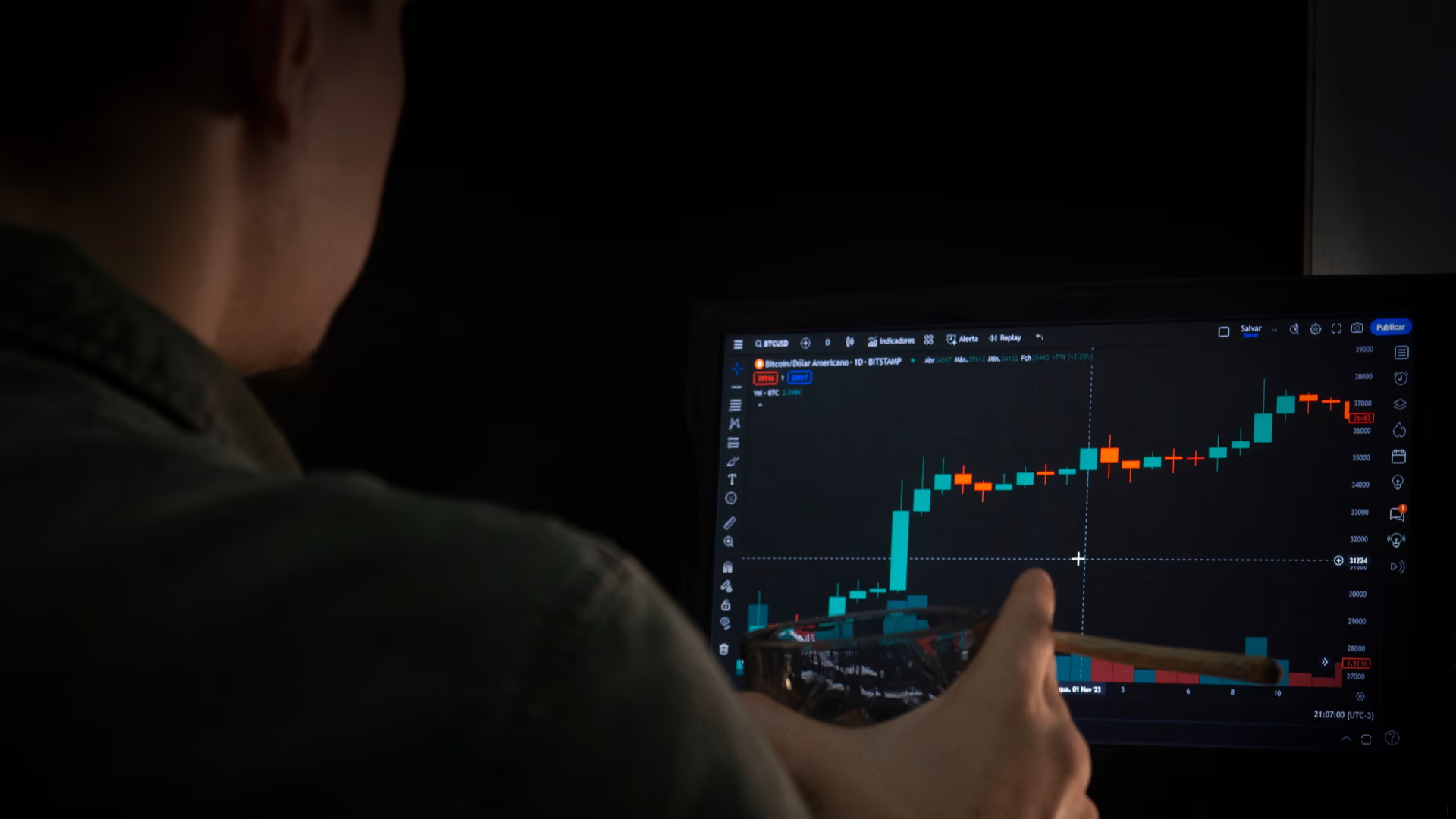

How to Start Investing in 2026: Stocks, Crypto, and AI Trading Explained
Starting to invest in 2026 is very different from just a few years ago. You now have access to global stock markets from your phone, crypto platforms that run 24/7, and AI tools that help analyze trades in seconds. But the basics still matter more than tools.
If you skip the basics, you can lose money fast. If you understand them, you can grow your money step by step with less stress.
What Investing Actually Means in 2026
Investing means putting your money into assets that may grow over time. The goal is not quick profit but long-term growth. In 2026, the most common options are stocks, crypto, and AI-assisted trading systems.
Each option works differently:
- Stocks represent ownership in companies
- Crypto is digital assets that move with global demand
- AI trading tools help analyze data and suggest trades
You do not need to choose only one. Many beginners combine all three in small amounts.
Getting Started With Stocks
Stocks are still the most stable entry point for new investors. You buy shares of a company and earn when the value increases or when dividends are paid.
To start, you need a brokerage account. After that, you can buy stocks like Apple, Microsoft, or index funds that hold many companies at once.
Simple steps:
- Open a regulated trading account
- Deposit a small amount of money
- Start with index funds or large companies
- Invest regularly instead of one big deposit
Index funds are often safer for beginners because they spread risk across many companies.
Understanding Crypto Investing
Crypto is more volatile than stocks. Prices can move up or down very quickly. This creates opportunity but also risk.
Common crypto assets include Bitcoin and Ethereum, along with thousands of smaller tokens. In 2026, many investors use crypto as a small part of their portfolio rather than their main investment.
Before investing in crypto, you should understand:
- Prices can drop sharply in hours
- Security matters more than anything
- Long-term holding is safer than frequent trading for beginners
Use trusted exchanges and enable two-factor authentication for account safety.
How AI Trading Works
AI trading tools are becoming popular in 2026. These systems analyze market data, news, and patterns to suggest trades or even execute them automatically.
But AI is not magic. It does not guarantee profit. It simply processes large amounts of data faster than humans.
There are three common types of AI trading tools:
- Signal tools that suggest when to buy or sell
- Automated bots that execute trades based on rules
- Analytics tools that show market trends and risk levels
The safest approach is to use AI as support, not control. You should always understand what the system is doing before trusting it with real money.
Building a Simple Investment Plan
A clear plan helps you avoid emotional decisions. Many beginners lose money because they invest randomly based on hype.
A simple structure looks like this:
- 60 percent in stocks or index funds
- 20 percent in crypto
- 20 percent in cash or low risk assets
This is not a rule, but a balanced starting point. You can adjust it based on your risk level.
Also decide how much you will invest monthly. Even small amounts like $50 or $100 can build up over time.
Risk Management Every Beginner Must Follow
Risk management is more important than profit. Without it, one bad trade can wipe out your progress.
Basic rules include:
- Never invest money you cannot afford to lose
- Do not put everything into one asset
- Avoid emotional buying during hype cycles
- Keep a long-term mindset
Markets move in cycles. There will be periods of growth and decline. Staying consistent matters more than timing the market perfectly.
Common Mistakes New Investors Make
Most beginners lose money for simple reasons that can be avoided.
- Chasing trends without research
- Investing all money at once
- Ignoring fees and taxes
- Using too much borrowed money
Another common mistake is copying others without understanding why they made a trade. Every investor has different goals and risk tolerance.
Choosing the Right Platforms
Your platform matters because it affects fees, security, and available assets. In 2026, most platforms support stocks, crypto, and AI tools in one place.
Look for:
- Strong security features
- Low transaction fees
- Easy interface for beginners
- Clear reporting tools for tracking performance
It is better to start simple than to use advanced tools you do not understand.
How to Track Your Investments
Tracking helps you understand if your strategy is working. Many beginners skip this step and lose control of their portfolio.
You can track:
- Total portfolio value
- Profit and loss per asset
- Monthly contributions
- Risk exposure levels
Most platforms provide dashboards, but you can also use spreadsheets for better control.
Building Long Term Discipline
Investing is not about daily activity. It is about consistent decisions over time. Markets will move up and down, but your discipline decides your results.
Set a routine for reviewing your investments once a month. Avoid checking prices every hour because it leads to emotional reactions.
Small habits like automated monthly investing can help you stay consistent without stress. Over time, these habits matter more than individual trades.
As markets continue to change with new technologies, investors who understand both traditional assets and modern tools will have more flexibility in how they grow their money.